Affordable Workforce Housing The Definitive Resource
This is why affordable workforce housing matters — and how Little Living (opens in a new tab), a Delaware 501(c)(3), is building the answer.
50%
of Delaware renters pay more than 30% of their income for housing — the line above which a household is “cost burdened”
30,231
more homes Delaware needs by 2030 — and 63% of them are needed in Sussex County alone
19,400
too few rental homes exist today for the state’s lowest-income renters
Source: Delaware State Housing Authority / Root Policy Research, “Delaware Housing Needs Assessment” (2023) (opens in a new tab). See the full Delaware picture →
Workforce housing is for the people your day already depends on.



Working households earning 50–80% of the area median income — too much for most assistance, not enough for market rents.
Understand the issue
Most people have never heard why this housing doesn’t get built.
Workforce housing sits in a gap that neither subsidy programs nor the private market reliably fills. We wrote three plain-English guides explaining exactly how that happened — and what closes it.
The Definitive Resource
Everything about affordable and workforce housing, in one place.
149 plain-English dictionary terms, 39 in-depth guides, 27 programs explained, a 48-event history and four calculators — researched from primary sources and fact-checked line by line.
149
dictionary terms
39
in-depth guides
27
programs explained
48
milestones in history
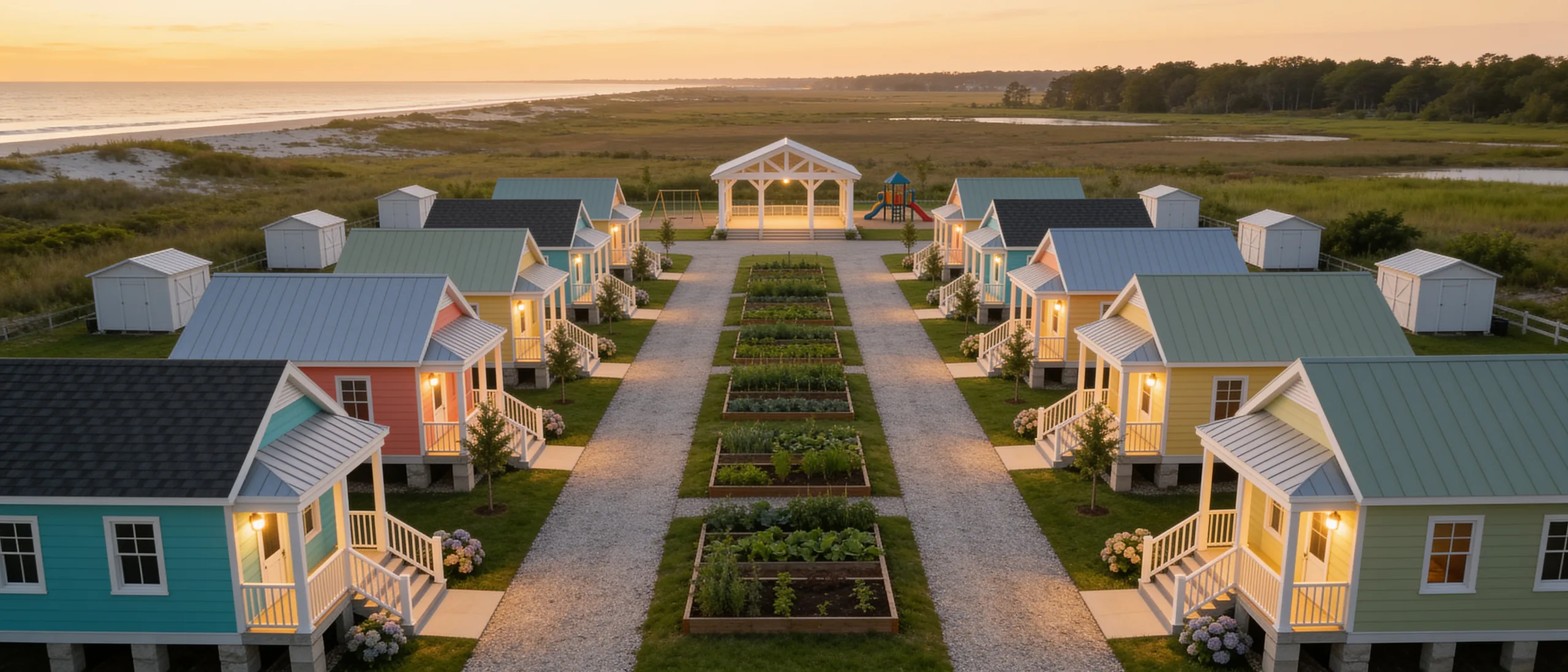
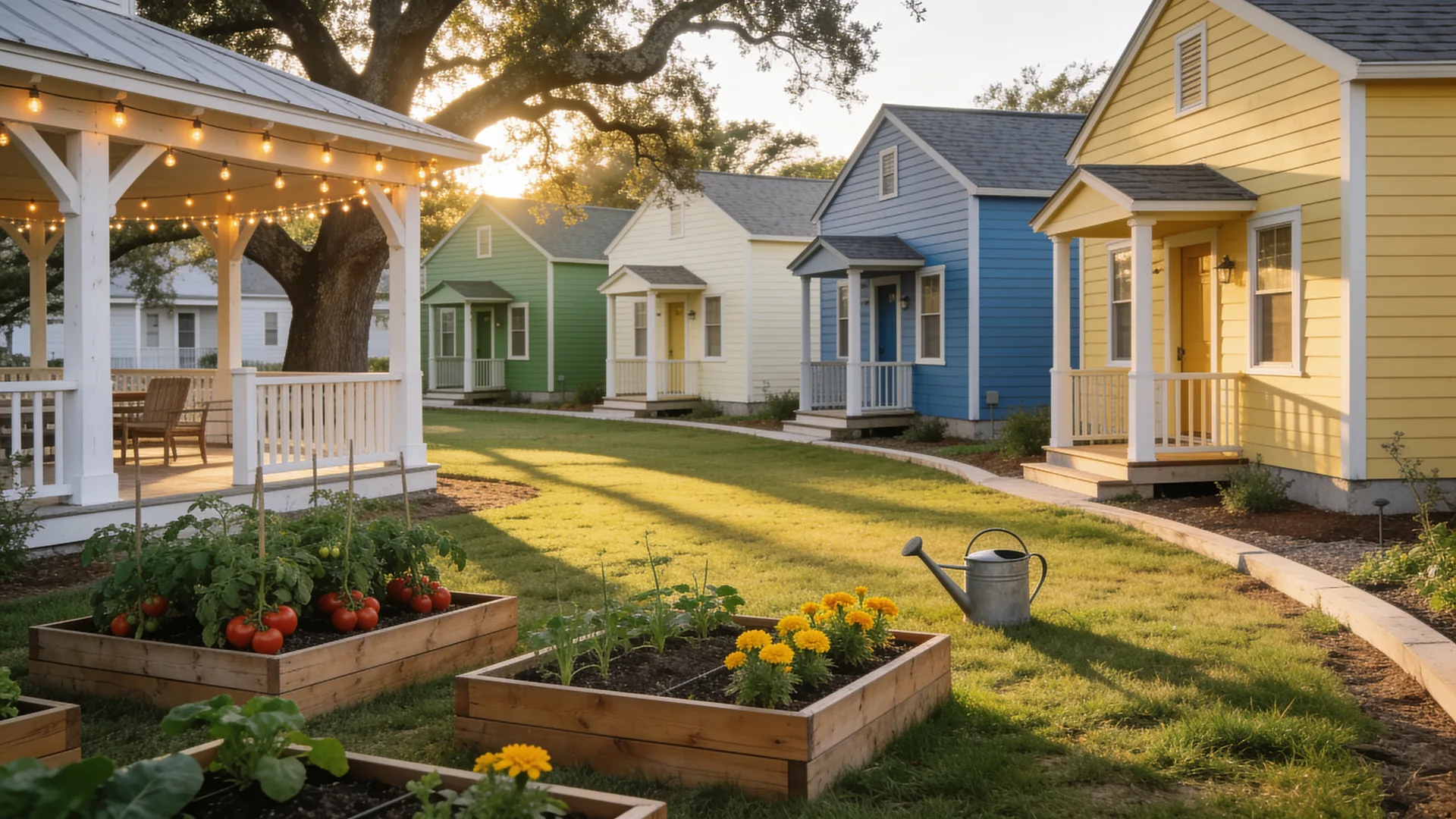
More than a roof — a community.
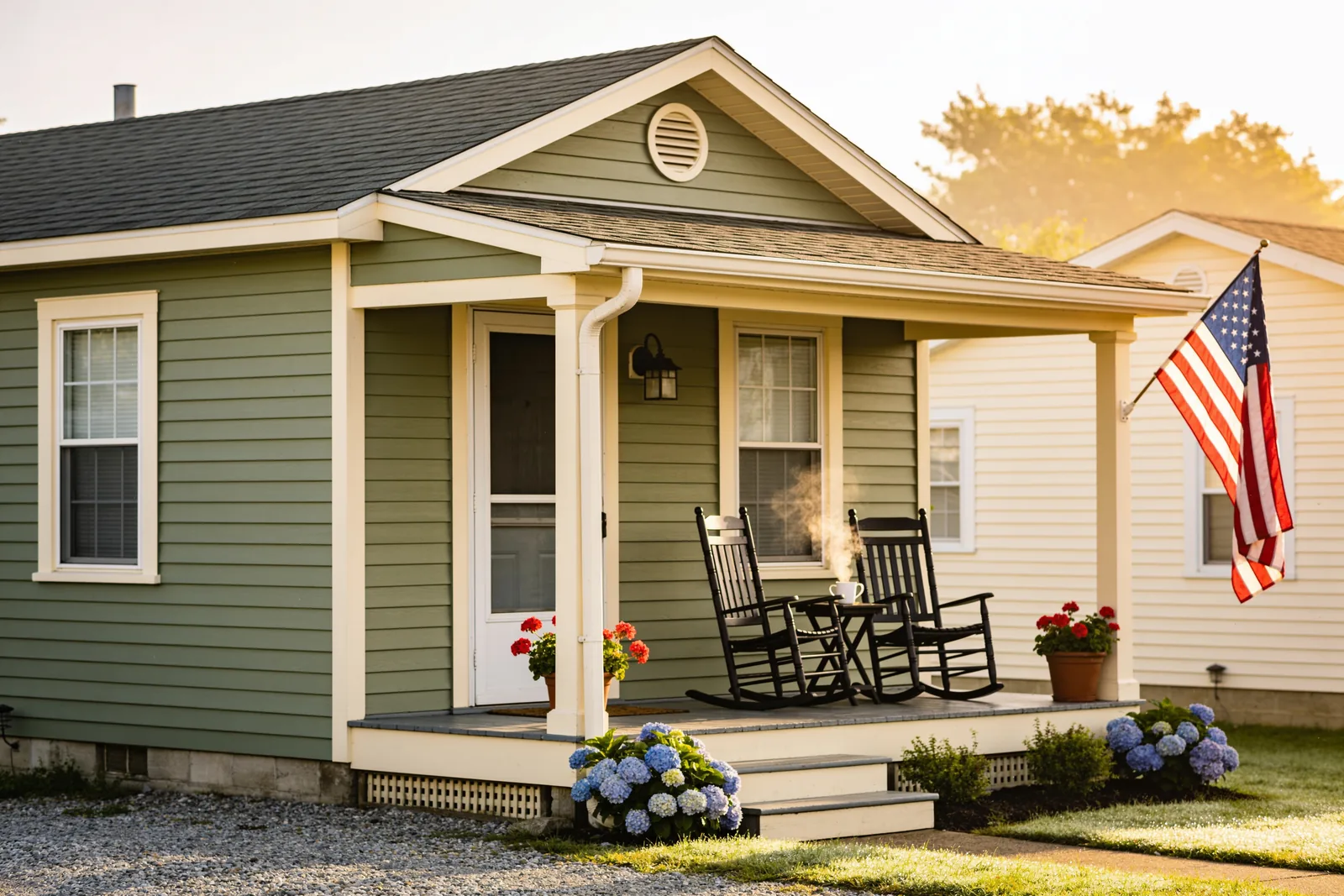
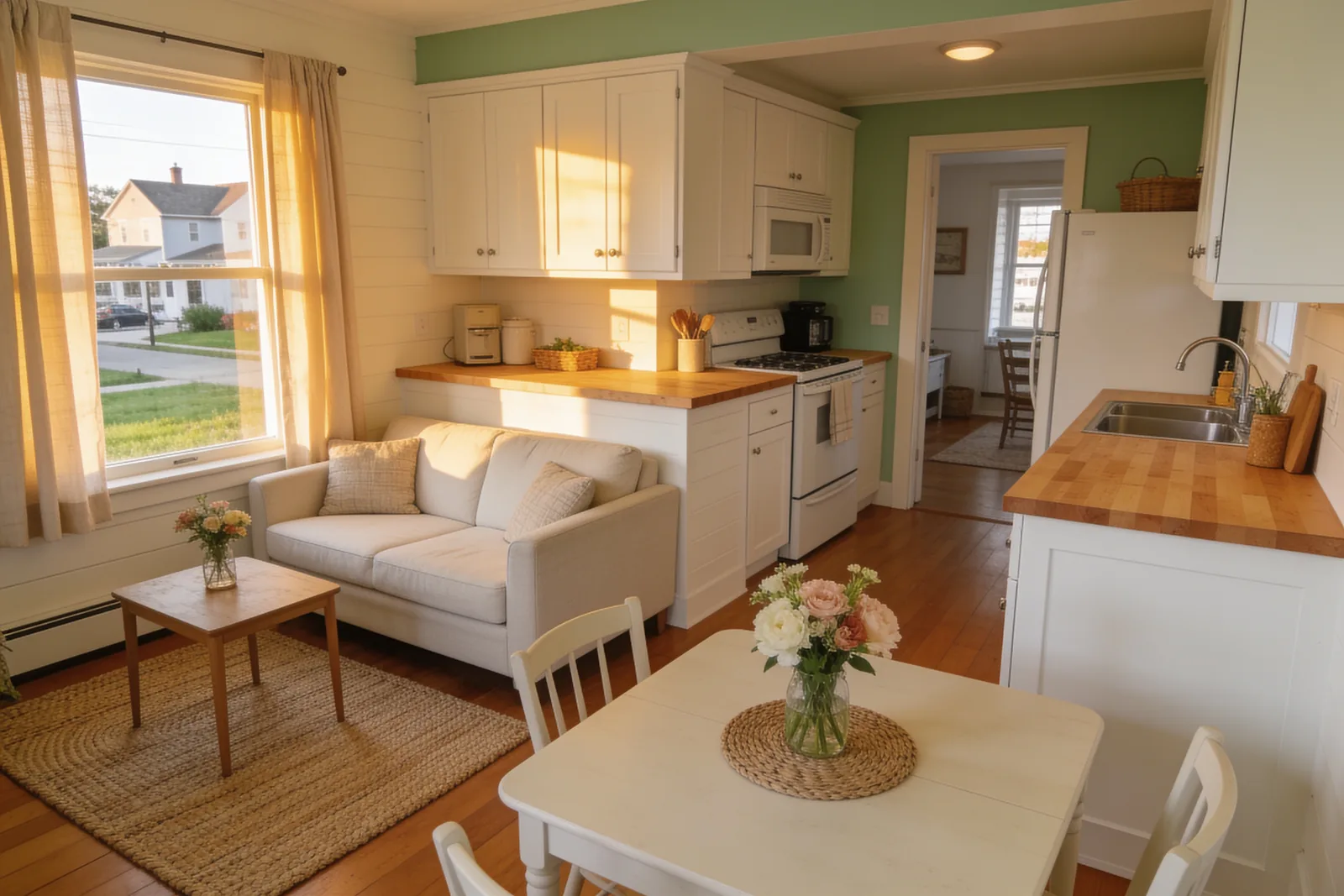

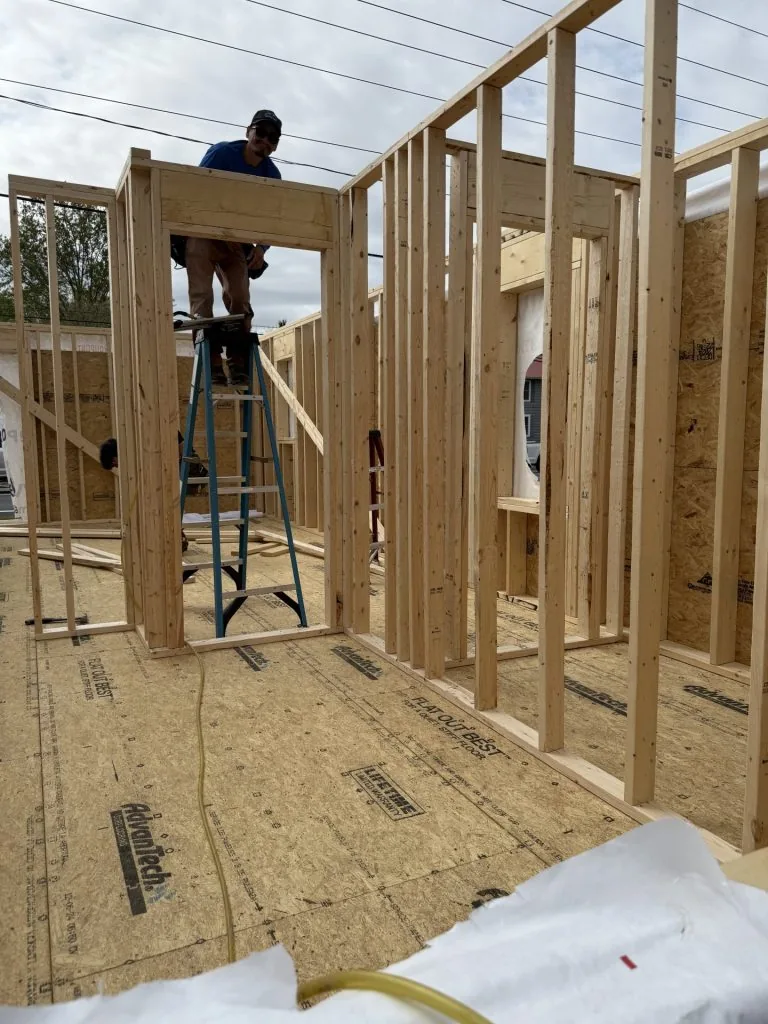
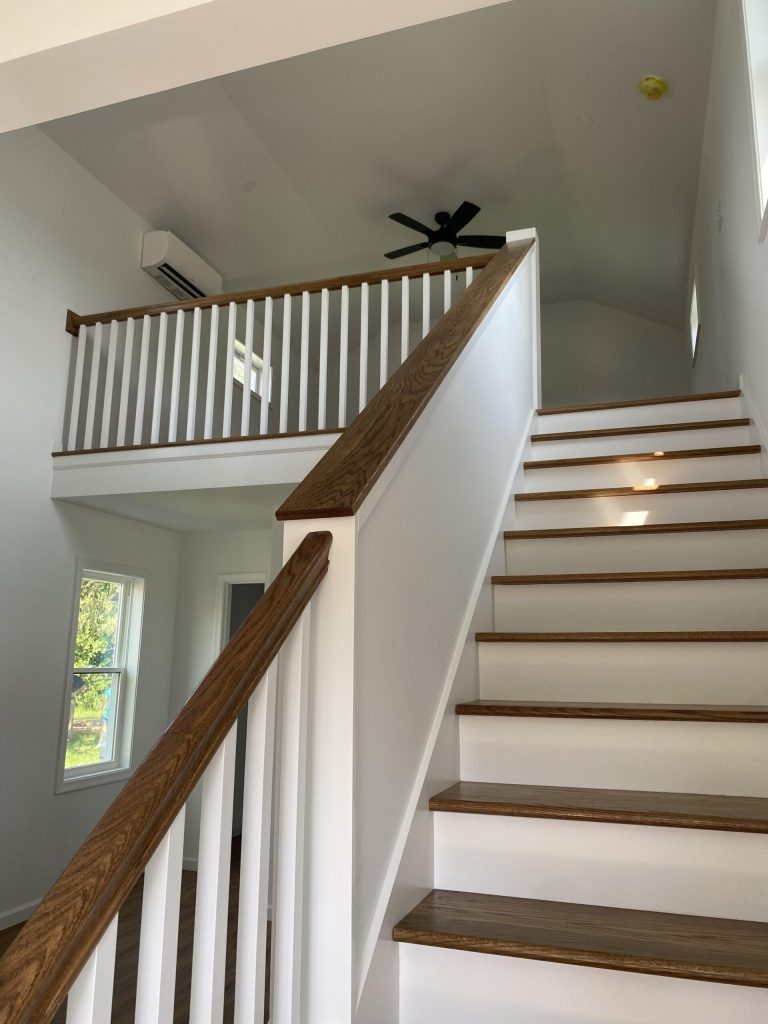
Stick-built. One 2×4 at a time. No markup.
These aren't factory units. Every cottage is built on site by local trades — real carpentry, built to last generations.
And because the builder is Little Living (opens in a new tab), a nonprofit with an uncompensated board, homes are built at cost — not for profit.
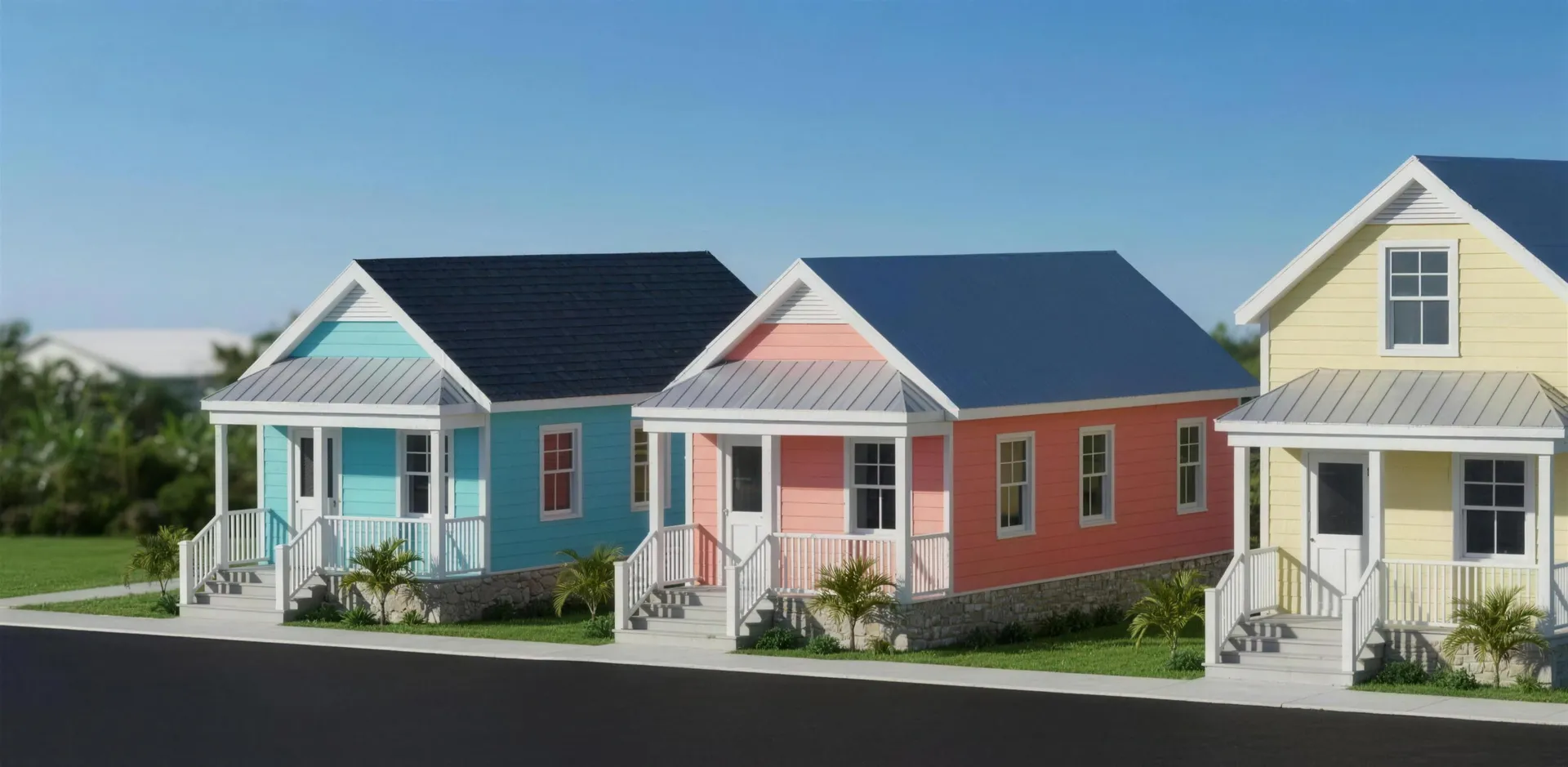
The Idea
Affordable houses, together, become an affordable community.
Little Living's first village is under construction in Georgetown, Delaware — and it's designed to be the first of many.
See the villages at LittleLiving.org (opens in a new tab)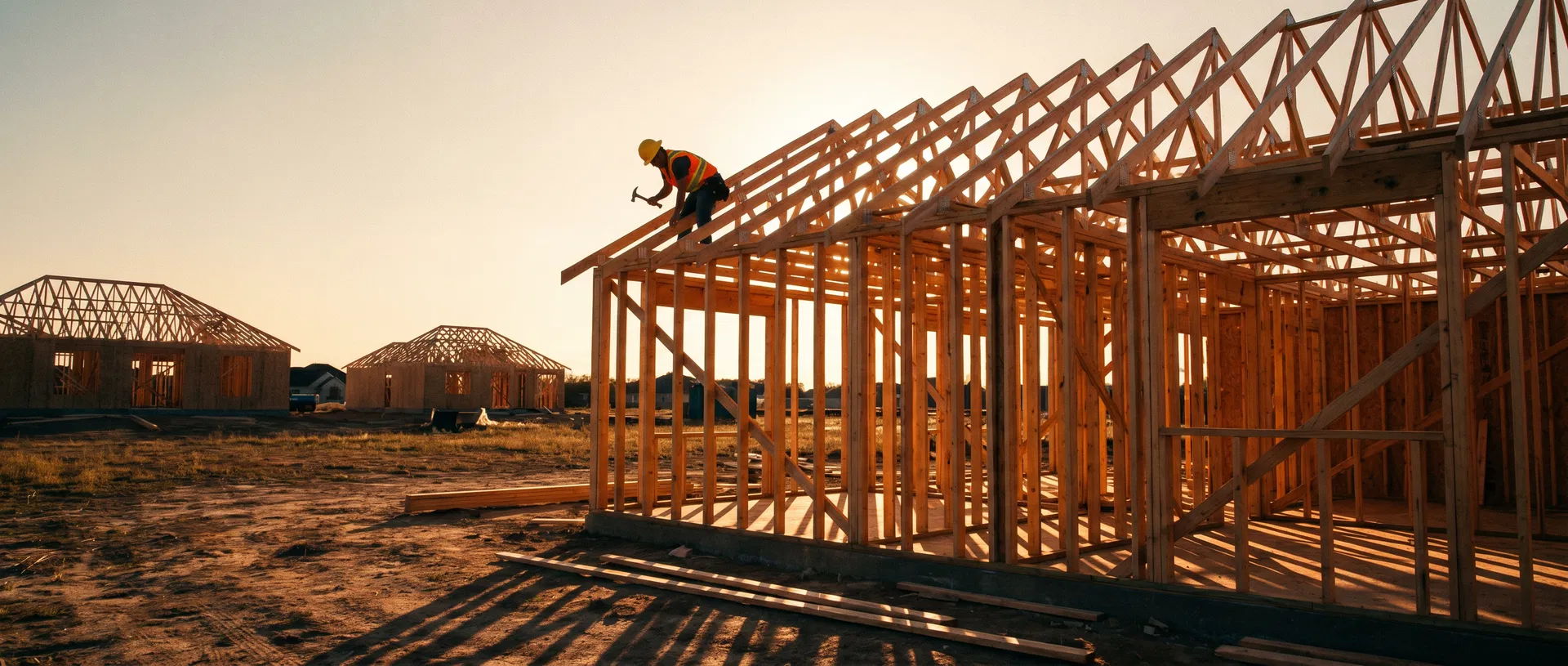
Inspired? Act where the homes get built.
Donations to Little Living are tax-deductible and become land, lumber, and front doors.