Delaware & Sussex County
The state that prices out its own workforce
Delaware has a documented housing shortage, and Sussex County carries most of it. Here is what the state’s own numbers say.
The scale of it
Half of Delaware’s renters are paying more than they can afford
These are the state’s own figures, from the Housing Needs Assessment it commissioned and published.
50%
of Delaware renters pay more than 30% of their income for housing — the line above which a household is “cost burdened.”
50,000
Delaware renters are cost burdened, half of them severely — paying more than 50% of income on housing.
19,400
too few rental homes exist for the state’s lowest-income renters. The gap is a shortage of homes, not of demand.
30,231
additional homes Delaware is projected to need by 2030, seasonal units included.
One number in that set deserves a second look. The 19,400-home rental gap is not a measure of how many people want cheaper housing — it is a count of homes that do not exist. Delaware could fill every affordable rental in the state tomorrow and still leave roughly nineteen thousand households without one.
The assessment also found something easy to miss: about 8% of Delawareans report living out of a car, couch surfing, or staying temporarily with friends and family. That is housing instability well before it becomes visible homelessness.
The epicenter
Sussex County needs almost two-thirds of the homes Delaware must build
A county with roughly a quarter of the state’s population is carrying nearly two-thirds of its housing need.
63%
of all the homes Delaware must add by 2030 are needed in Sussex County alone — 19,180 of 30,231.
98%
of the state’s projected seasonal-home demand through 2030 also lands in Sussex — 5,788 of 5,882 units.
10%
of Delaware’s publicly assisted housing sits in Sussex, though the county holds about 24% of the state’s people.
~1 in 3
Sussex jobs are in accommodation, food service or retail — the sectors paying furthest below the county average.
Sussex has what looks from a distance like good fortune: a coastline, steady growth, and a reputation that draws people from all over the mid-Atlantic. The county’s own housing study traced the affordability problem directly to that success — proximity to the beach, low property taxes and quality of life pulled in retirees and higher-earning households, and prices followed them up.
What did not follow was the wage floor. The people who staff the restaurants, hotels, shops, clinics and classrooms that make the county work are competing for housing against buyers whose incomes were set somewhere else entirely.
Sources: Delaware State Housing Authority / Root Policy Research, “Delaware Housing Needs Assessment” (2023) (opens in a new tab) · Sussex County, “Housing Opportunities + Market Evaluation” (LSA, 2019) (opens in a new tab)
The second-home math
Delaware has tens of thousands of empty homes and nowhere to live
In 2021 Delaware had roughly 64,000 vacant housing units out of about 445,000 total. It sounds like slack in the system. It isn’t.
About 38,200 of those vacant homes were seasonal or vacation properties — dark for much of the year and never on the market. Just about 6,500 were vacant and actually available to rent. That is roughly six second homes for every home a working family could move into.
The trend line is the real story. Between 2010 and 2021, Delaware’s seasonal stock held steady while every other kind of vacant unit fell away. The state did not stop building. It kept building the wrong thing for the people who live here year-round.
Delaware’s vacant homes, 2021
Seasonal homes make up 8.5% of every housing unit in Delaware. Homes available to rent make up 1.5%.
Who gets squeezed
The jobs the coast runs on are the jobs that can’t afford the coast
Roughly a third of all jobs in Sussex County sit in accommodation, food service and retail — and those are precisely the sectors whose pay falls furthest below the county average. It is not a small corner of the labor market. It is the labor market.
Statewide, the imbalance shows up starkly in what people can actually buy: about three-quarters of Delaware’s renters earn under 120% of Area Median Income, and only about a fifth of the homes for sale are within their reach. The quarter of renters who earn above that line can choose from roughly 80% of the market.
That is the workforce-housing gap in one sentence. Not a shortage of ambition or of work — a shortage of houses priced for the people already doing the work.




Sources: Delaware State Housing Authority / Root Policy Research, “Delaware Housing Needs Assessment” (2023) (opens in a new tab) · Sussex County, “Housing Opportunities + Market Evaluation” (LSA, 2019) (opens in a new tab)

The problem coming next
An aging state needs the workers it can’t house
Delawareans aged 65 and over are projected to make up a quarter of the state’s population by 2050, up from about 19% today. Seniors are the only age group growing significantly, and the share of residents in their prime working years keeps sliding.
The state’s own assessment draws the uncomfortable conclusion: with slow earnings growth for health care workers and low wages in service work, Delaware may struggle to keep the workforce it needs to care for its own aging residents.
Housing is where that pressure gets decided. A nurse’s aide who cannot afford to live within a reasonable drive of the people she cares for eventually takes a job somewhere she can.
The response
What’s actually being built
The gap does not close on its own. In Delaware it is being closed the hard way — by a nonprofit, at cost, one cottage at a time.
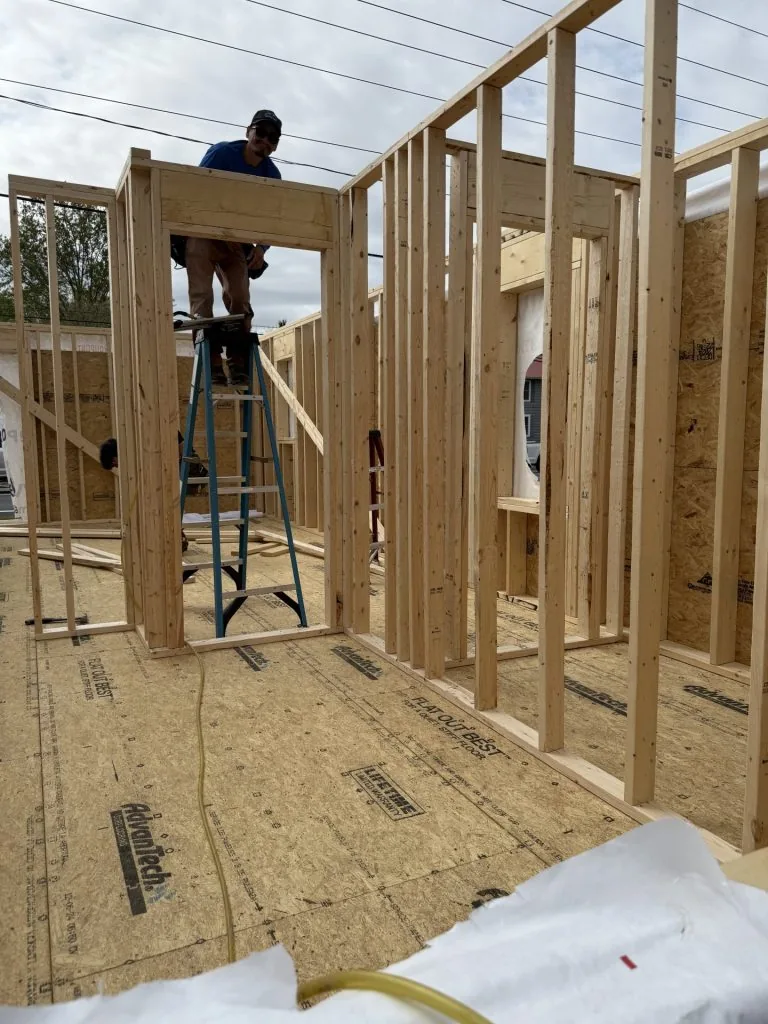
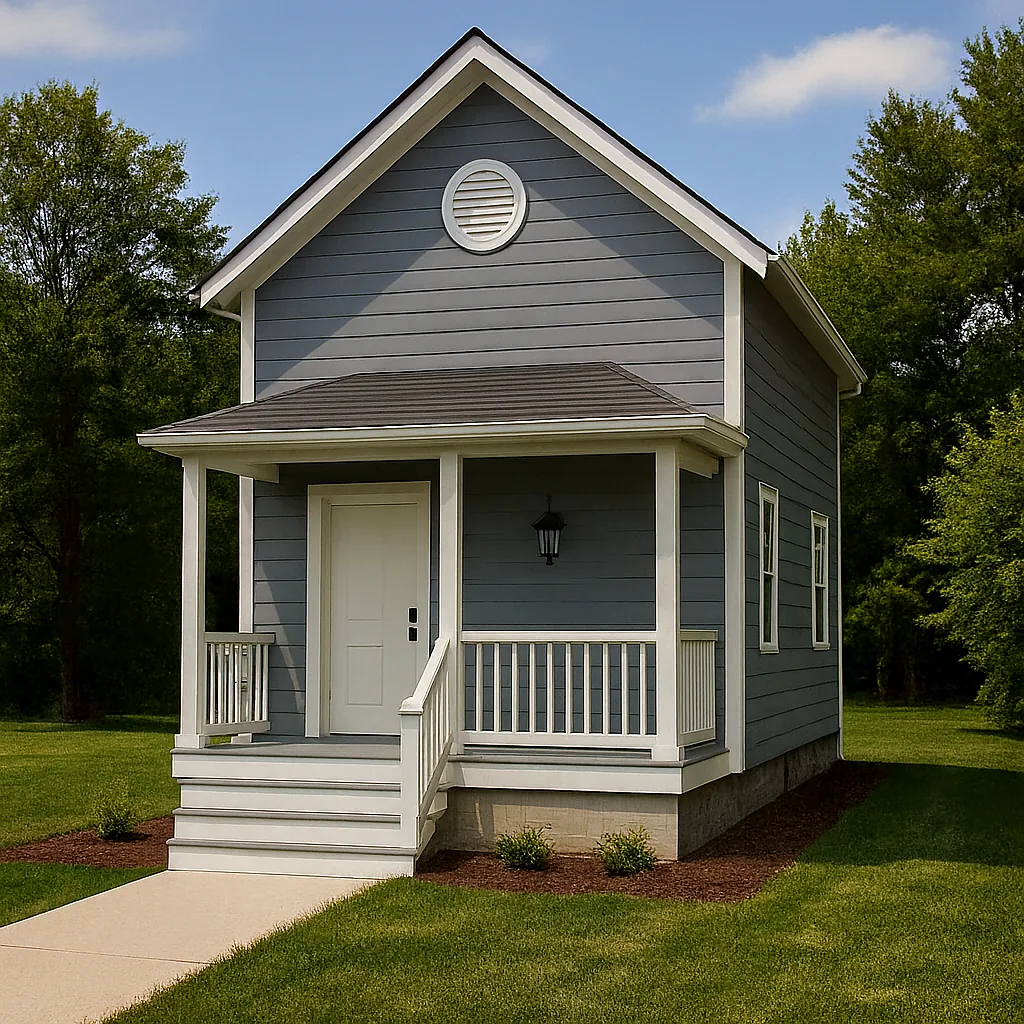
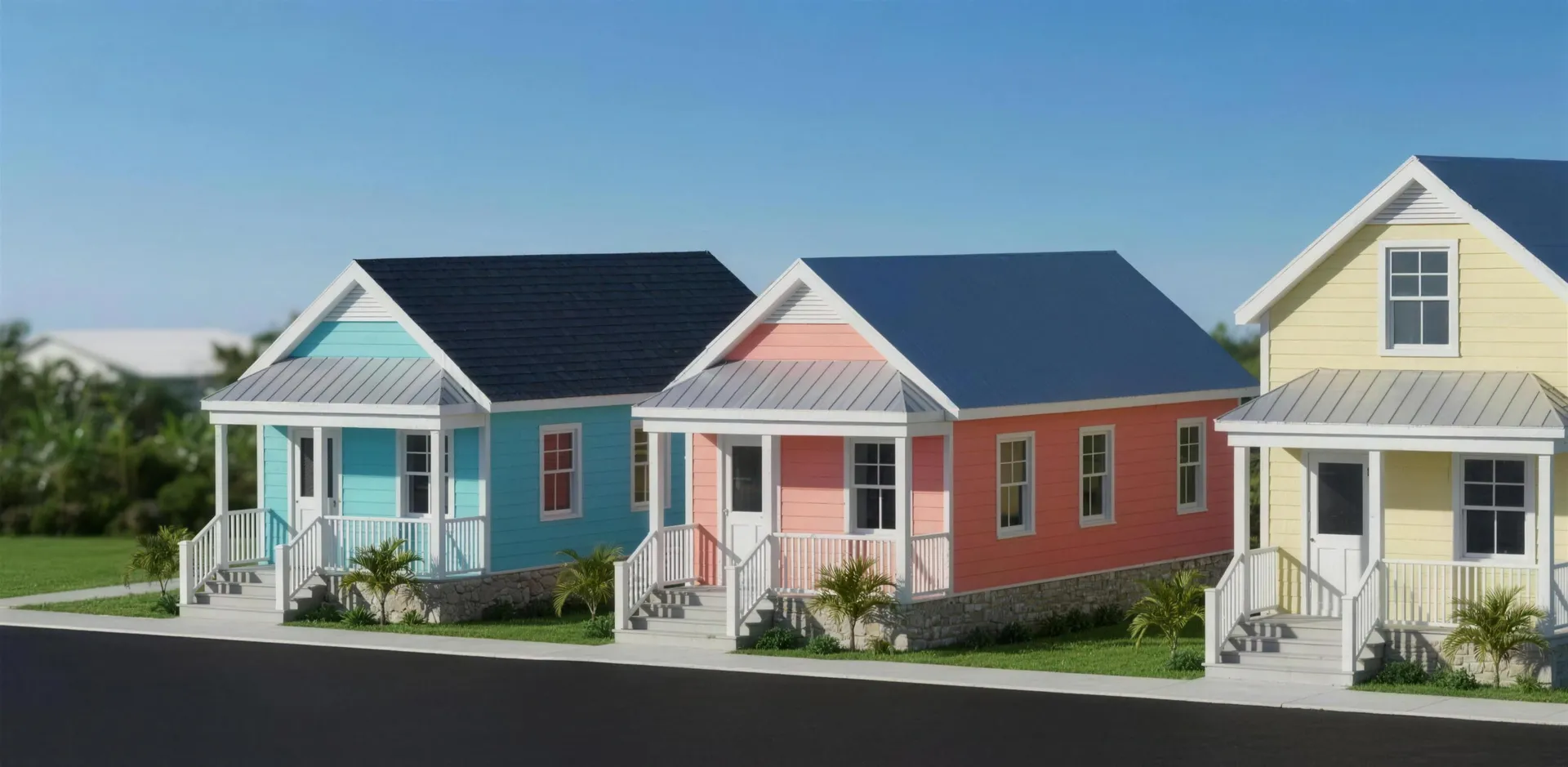
Little Living (opens in a new tab) is a Delaware 501(c)(3) nonprofit building small, stick-built cottage communities for working households. Not factory units — homes framed on site by local trades, built to last generations.
Because it is a nonprofit with an uncompensated board, the homes are built at cost. There is no developer margin in the rent, which is precisely the arithmetic that makes housing at this price point possible when the market cannot manage it.
The first village is under construction in Georgetown, supported in part by a Healthy Communities Delaware community investment — and it is designed to be the first of many.
FAQ
Questions about Delaware housing
How bad is Delaware’s housing shortage, really?
Why is Sussex County hit hardest?
If so many homes sit empty at the beach, why is there a shortage?
Is anyone building housing for Delaware’s workforce?
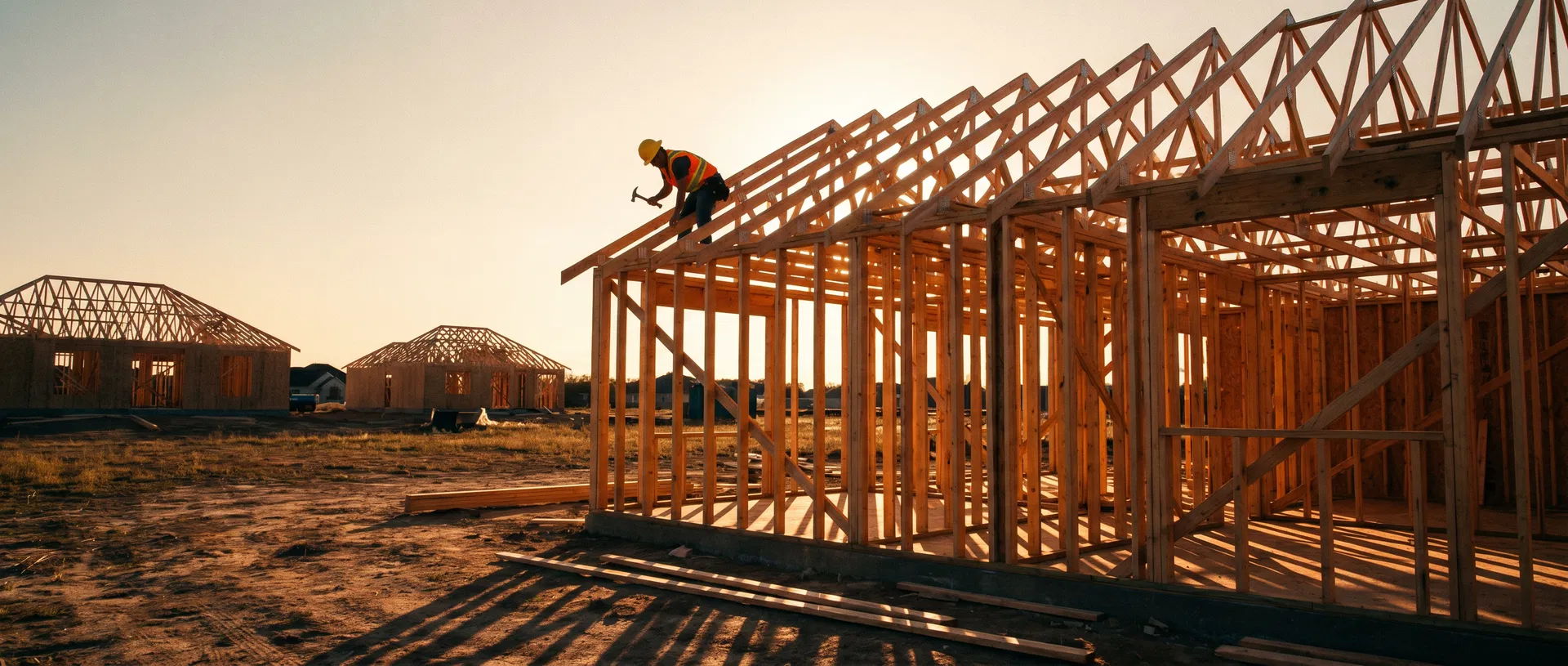
Delaware’s gap is being closed one cottage at a time.
Little Living builds at cost for the working households this page is about. Donations are tax-deductible and become land, lumber, and front doors.